Date Published 19 March 2026
There's a big shift coming for landlords over the next 12 months, and it's one that many still aren't fully prepared for.
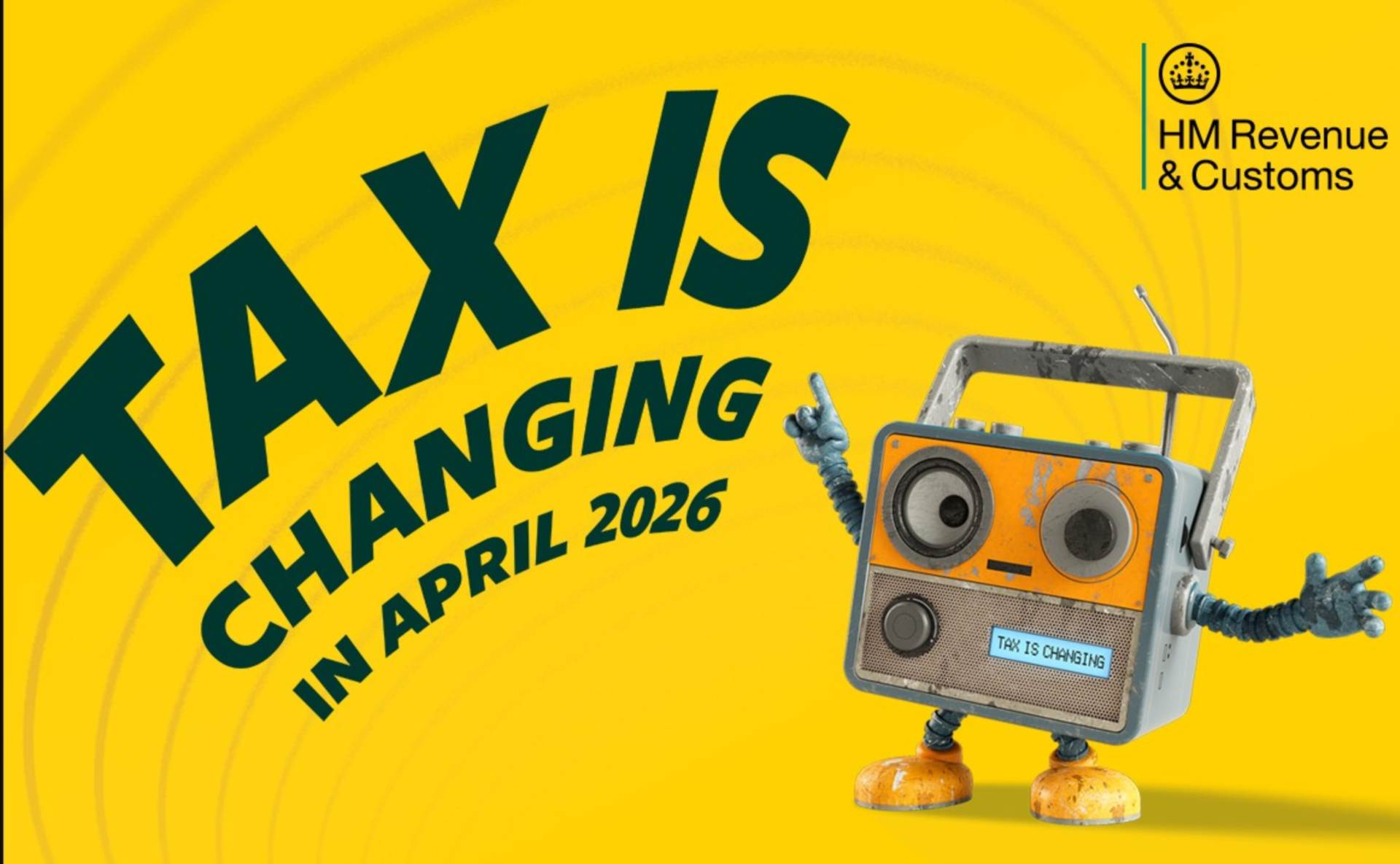
From April 2026, if you're earning over £50,000 from rental income (or self-employment), you'll be required to comply with Making Tax Digital (MTD) for Income Tax. In simple terms, that means moving away from one annual tax return and towards a more regular, digital reporting system.
So, what's actually changing?
Instead of pulling everything together once a year for your Self Assessment, you'll be required to submit quarterly updates to HMRC using compatible software.
Now, before that sounds overwhelming — these aren't full tax returns each time. They're essentially summaries of your income and expenses, generated through your software, which spreads the workload across the year rather than leaving it all until January.
How many landlords does this affect?
Quite a lot.
While early figures suggested around 125,000 landlords and property professionals would be impacted, HMRC now estimates the true number is closer to 259,000 individuals with property income.
Importantly, this doesn't just apply to full-time landlords.
If you've got a rental property alongside your main job and your income crosses the threshold, you'll still be included.
What should you expect?
Most landlords will receive a letter from HMRC confirming whether they need to join MTD. This will guide you through the next steps and point you towards approved software options.
Some key dates to keep in mind:
Your first reporting period is likely to be 6 April – 5 July 2026
. Your first quarterly submission deadline will be 7 August 2026.
You'll still submit your 2025–2026 tax return as normal by January 2027
. The first full tax return under MTD (for 2026–2027) will be due January 2028
.
What about penalties?
HMRC is introducing a new points-based system for late submissions.
In short:
You won't be fined immediately for a missed deadline.
Points build up over time.
A £200 fine is only triggered once you hit four points
.There's also a bit of breathing space — no penalty points will apply to late quarterly updates during the first year (2026–2027), although this doesn't apply to your final tax return.
Do you need new software?
Yes — MTD is fully digital, so you'll need compatible software to record your income and expenses and submit updates.
The good news is:
There are free options available
There are also more advanced paid systems depending on how hands-on you want to be.
Once set up, most of the process is automated, which should actually make life easier in the long run.
My advice to Poole landlords.
Don't leave this until the last minute.
Even though April 2026 might feel a way off, getting familiar with digital record-keeping now will make the transition far smoother. If you already work with an accountant, have that conversation sooner rather than later — most are already fully aware of the changes.
At Lewis Dean, we're keeping a very close eye on how this affects landlords locally, and we'll continue to share updates, guidance, and practical advice over the coming months.
If you're unsure how this impacts you, or you just want pointing in the right direction, feel free to reach out — we're always happy to help.